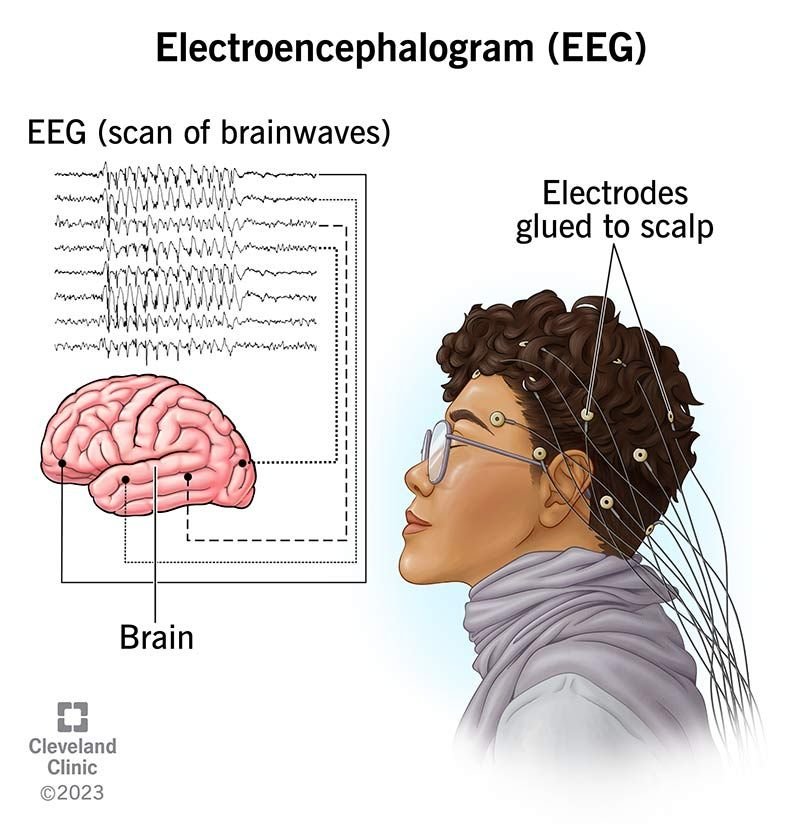
An Electroencephalogram (or EEG) is a test that is used to detect the electrical activities of the brain through the use of small, metal discs (electrodes) attached to the scalp. Our brain cells or neurons as they’re so called communicate to each other using electrical impulses and remain active all the time, even when we’re asleep. Thus, an EEG can detect changes in the intra-functioning of a brain that might be useful for diagnosing disorders like epilepsy or any other seizure disorder. It is considered one of the main diagnostic test for the detection of epilepsy or seizures and can even help diagnose other brain disorders like brain damage, inflammation of the brain(encephalitis), stroke to name a few. This immensely useful facility is available at Nirvan hospital to rule out seizure activities in the brain along with other diagnostic analyses. The centre is equipped with the top-class EEG machine NEUROCOMPACT developed by Medicaid Systems. The process of going through the EEG is safe and absolutely painless.
FAQs
Frequently Ask Questions
An EEG is a diagnostic procedure that uses tiny sensors applied to the scalp to capture the electrical activity of the brain. It aids medical professionals in assessing neurological disorders and brain function.
Seizures, epilepsy, sleep difficulties, brain traumas, memory issues, and other neurological issues are frequently diagnosed with EEG studies.
Indeed, an EEG is painless, non-invasive, and totally safe. There is no dangerous radiation or electric shock involved in the process.
Depending on the type of test and the patient's condition, an EEG procedure typically takes 20 to 60 minutes.
As directed by the physician or technician, patients may be encouraged to wash their hair prior to the test and abstain from caffeine and specific drugs.