

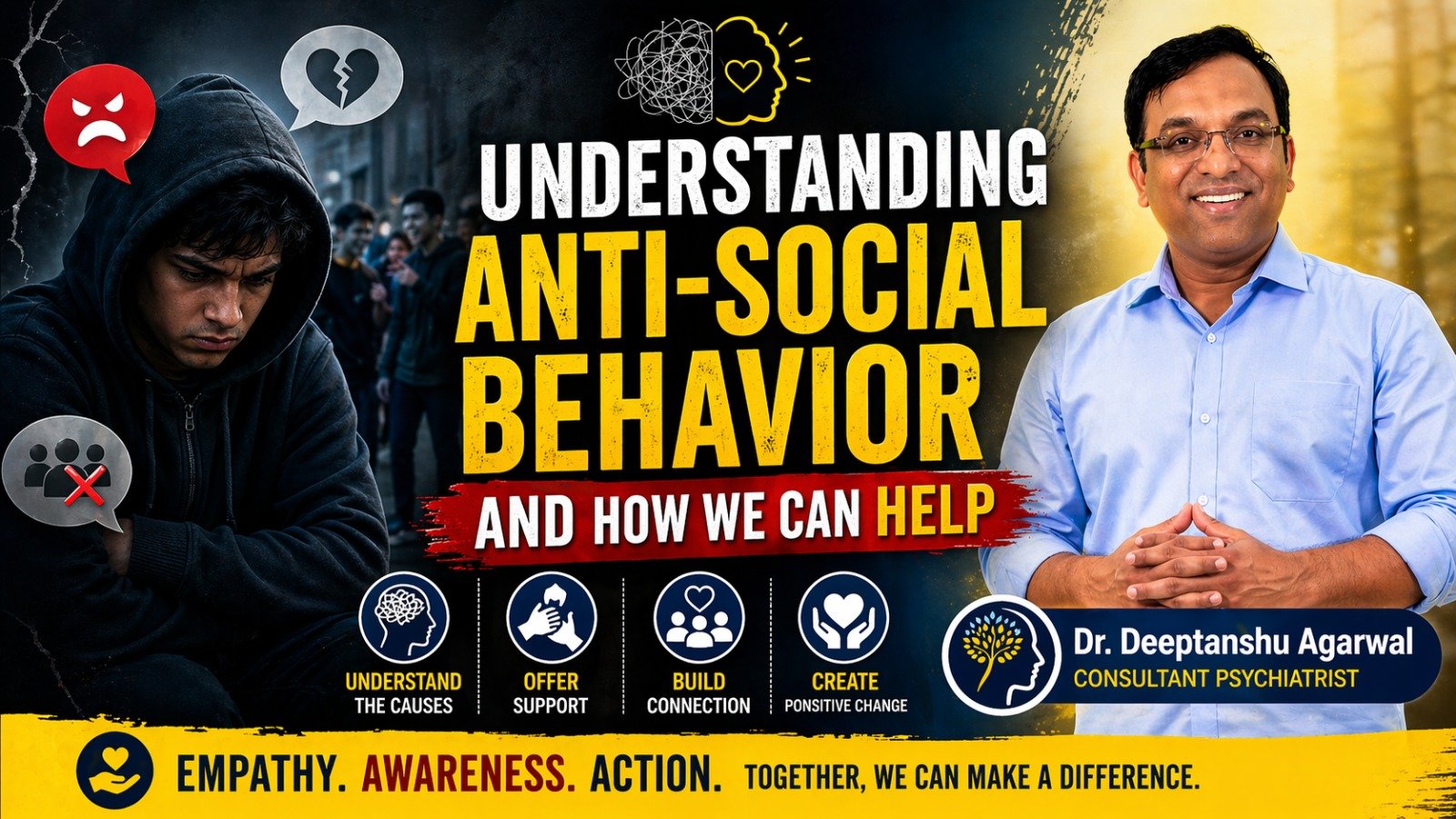
Behaviors that violate social standards, disregard the rights of others and cause pain or anguish are all considered anti-social behavior (ASB). These actions might include everything from disruptive noise and littering to criminal activity, intimidation and hostility. It must be addressed by community reporting, legal action and professional treatment (medication/psychotherapy) for underlying issues like Antisocial Personality Disorder (ASPD).
What Is Antisocial Behavior?
Sometimes concerns are reported that relate to behaviour from different lifestyles or things that aren’t considered unreasonable.
Some of the things that we wouldn’t consider anti-social are:
- Children playing noisily or a baby crying
- Noise from DIY or household appliances at sociable hours
- Socialising in the street
- Occasional loud music, parties or barbecues
- Dogs barking now and again
- Putting rubbish out on the wrong day
- Cooking smells
- How a neighbour’s home looks
- Smoking cigarettes or vaping
On the other hand, the following things would be considered ASB:
- Crying abuse
- Regular, designedly loud noise (similar to crying or music) at office hours
- Hanging gesture or importunity
- Unbridled or frequent parties, especially if they work on the road
- The poor animal’s demeanor
- Including continual barking and intimidation
- Discarding rubbish or fly-tipping
- Bad smells from canine fouling or cannabis use
- Vandalization (e.g., spray-painting or fly-posting)
- Medicine-taking or dealing
Types of Antisocial Behavior
Antisocial behaviors can vary based on the type and the impact of these behaviors on others.
There are three classifications of antisocial behaviors:
- Personal antisocial behavior:- When someone is directing negative attention and targeting a specific individual.
- Nuisance antisocial behavior:- When someone is directing negative attention and causing issues for a specific community.
- Environment antisocial behavior:- When someone is harming a public place or creating negativity in a shared space.
Why Does Anti-Social Behavior Occur?
Antisocial behavior has a single cause. It’s frequently linked to a combination of particular social and environmental factors.
Social and Economic Challenges
Poverty, severance and lack of access to education or openings can increase frustration and heartstrings of rejection, occasionally leading to negative gestures.
Mental Health and Emotional Well-being
Some individualities displaying unsociable gestures may struggle with mental health issues, trauma or undetermined emotional difficulties.
Family and Childhood Experiences
Unstable home surroundings, neglect or exposure to violence during nonage can impact gesture latterly in life
Substance Misuse
Alcohol and medicine abuse are explosively linked to impulsive and aggressive behavior, adding the liability of conflict and dislocation.
Lack of Community Connection
When people feel disconnected from their community or believe they aren’t valued, they may be less likely to share in spaces and social events.
How can we help?
We’ll always take any reports of ASB seriously and work with everyone involved to reach a resolution. We’ll judge each situation on a case-by-case basis.
We may ask you to help us gather evidence of the behavior to help give us a clear picture of the problem. For example, we might provide you with sound recording equipment for cases of noise nuisance to understand the nature of the noise and its frequency.
If the ASB is related to criminal activity, we’ll support you to report your concerns to the police and local authorities, who have powers to tackle ASB that housing associations like us don’t have.
Sometimes we have to take enforcement action against customers who cause ASB, such as issuing written warnings if a customer has breached their tenancy agreement. However, this is quite rare. More often, we’ll work with everyone involved or use professional mediation services to help communities live together in harmony.
Still, we’ll also let them know that we’ll not be taking further action in relation to that specific complaint and explain why if we have substantiation that the client reporting ASB is being unreasonable or revengeful in their complaint.
Where enterprises performing from different cultures are reported, we’ll offer advice and support to help everyone involved live alongside each other.
Final Thoughts
A social gesture is a complex issue that can not be answered by enforcement alone. It requires understanding, empathy and a commitment to supporting individualities while guarding communities. By addressing root causes, encouraging positive gestures and working together, we can reduce antisocial gestures and produce safer, more inclusive spaces where everyone feels respected and valued.
Real change happens when communities choose connection over conflict and support over judgment. Together, we can make a continuing difference.
Frequently Asked Questions (FAQs)
How to help anti-social behavior?
Psychotherapy Cognitive behavioral therapy (CBT) is a type of counselling that focuses on changing your thinking and behavior. Therapy can help you see how your behavior affects others. You may profit from individual remedy, group remedy or family remedy.
What is the root cause of antisocial behavior?
The exact cause of the asocial personality complaint is unknown. Several contributing factors can lead to an increased threat of developing this condition. Some of those threat factors include abuse, neglect or mistreatment in childhood.
How to stop antisocial behavior?
Still, you should communicate with either the original authority or your landlord in the first case if the asocial gesture is not felonious or causing a threat to a person. However, communicate with your landlord to report the issues if you’re a tenant or a leaseholder of a social housing landlord. Landlords should take complaints seriously.
What are the three types of antisocial behavior?
Personal antisocial behavior is when a person targets a specific individual or group. Nuisance antisocial behavior is when a person causes trouble, annoyance or suffering to a community. Environmental antisocial behavior is when a person’s actions affect the wider environment, such as public spaces or buildings.