

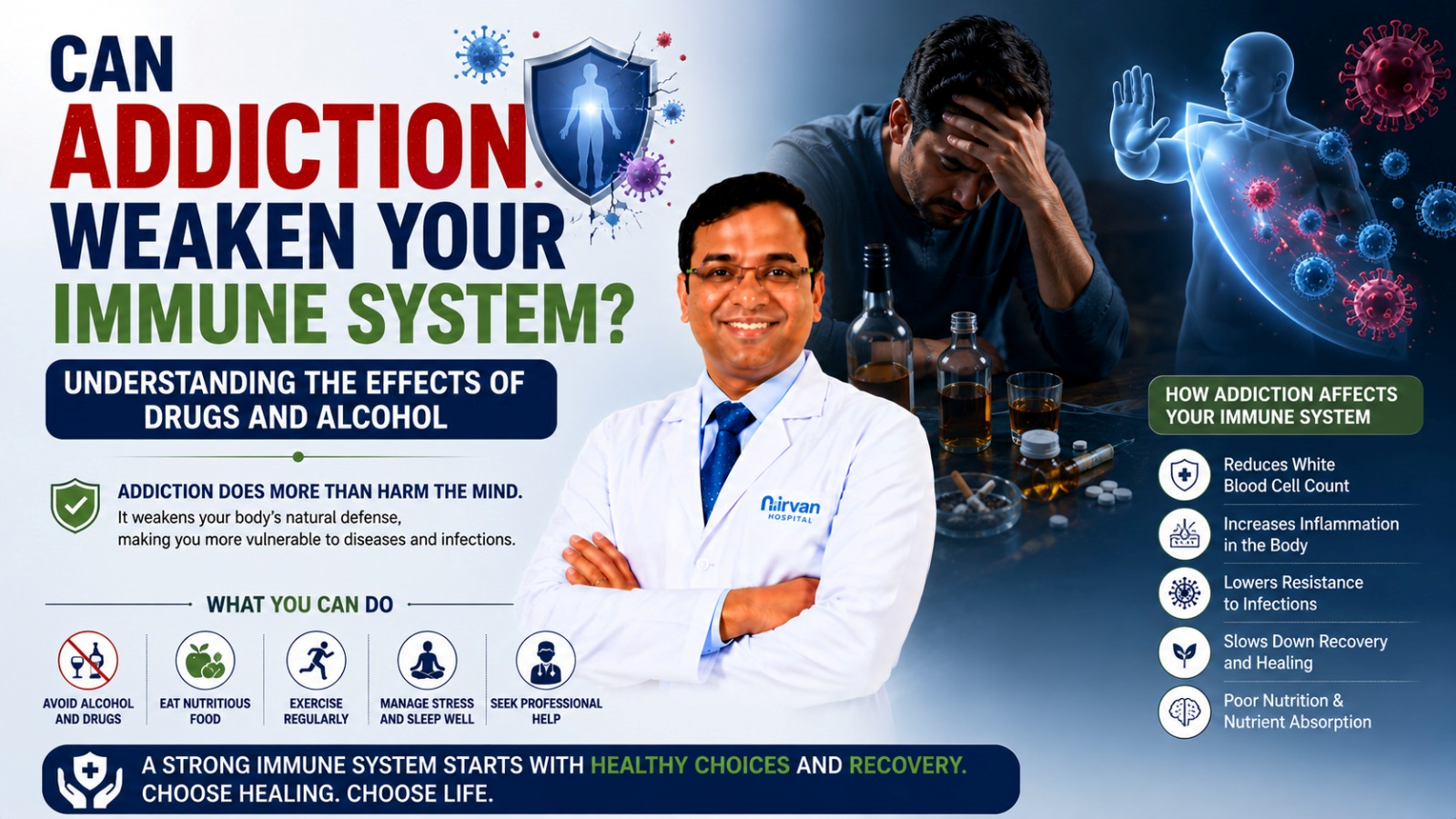
Can Addiction Weaken Your Immune System? Understanding the Effects of Drugs and Alcohol
Catching every seasonal illness as people around you heal fast. You might think it’s just bad luck or a weak body, but there may be a more complicated explanation. Addiction alters not only the brain, but also the immune system and virtually every other organ system in the body, although the latter effects are less well understood.
Addiction and your immune system? Is addiction suppressing my immune system? Response to Junk Food Now, harmful things like alcohol and drugs paralyze the immune system by disabling the body’s ability to protect itself.
Your immune system is a complex orchestra of cells, tissue and organs that work together to defend your body from harmful invaders including bacteria, viruses, and fungi. Lymphocytes, in particular Are Important In Sensing What Is A Threat And Appropriate Response Such As Tissue Repair Vs. Pathogen Removal.
Can Addiction Weaken Your Immune System?
Yes. Impact of substance addiction on immune system function Addiction has a profound effect on immune system performance.
Immune cell production and function are disrupted by drugs and alcohol. They also harm the organs that help keep us healthy like the liver, lungs and digestive system.
Some of the major ways addiction weakens immunity include:
- Reducing white blood cell activity
- Increasing inflammation throughout the body
- Poor nutritional absorption
- Sleep disturbances
- Chronic stress
- Hormonal imbalance
- Liver damage
- Reduced ability to heal wounds
- Higher risk of infections
Effects of Alcohol on Immunity
- Alcohol and Immune System Although alcohol is the best studied among substances that suppress the immune system, the findings are unequivocal: heavy or chronic drinking compromises the body’s defenses in many respects. White blood cell activity is impaired by chronic alcohol consumption, which diminishes the number of lymphocytes and their ability to functionally respond to infection.
- And damage from the gut to the liver alcohol irritates the lining of the stomach and intestines allowing toxins into the bloodstream where they promote systemic inflammation. This might result in alcoholic hepatitis or cirrhosis, which further suppress immunity since the liver is vital in filtering viruses.
- Slower recovery, slower wound healing, and so on heavy drinkers tend to have longer convalescences from infections, illnesses, and surgeries than do drinkers. Increased risk of respiratory diseases: Alcohol’s effect on the immune system and respiratory tract predisposes heavy drinkers to pneumonia and pulmonary infections.
- Drugs that increase immune system support may be inhibited by alcohol, thus interfering with treatment for underlying conditions.
Effects of Drugs on Immunity
Though each medication affects the immune system differently, the general trend is still the same: compromised defenses and higher susceptibility to sickness.
Opioids are pain-relieving medications (prescription painkillers). They disrupt sleep, appetite, and hormonal balance-all of which are essential for the normal functioning of the immune system. Long-term use reduces the activity of immune cells and increases the risk of infection.
Smoking marijuana irritates the lungs and airways, therefore weakening the natural defences of the respiratory system and raising the risk of lung infections including pneumonia.
Sharing needles has a great chance of spreading bloodborne infections like HIV and hepatitis B or C, which directly assault the immune system, intravenous drug use.
Across nearly all substance categories, researchers describe drugs as having an “immunomodulatory” effect – meaning they alter, and typically impair, the immune system’s normal function.
Can the Immune System Recover After Quitting?
The good news is that the immune system may heal itself quite well. Though the schedule varies with elements including the length and intensity of use, general health, age, and the existence of any organ damage, several facets of immunological function start to improve once drug or alcohol use stops.
Early recovery usually results in clear gains in overall resilience to sickness, energy, and sleep. Deeper healing-that is, liver regeneration or the resolution of chronic inflammation-may take longer and benefit from expert medical care.
How to Support Your Immune System During Recovery
- The best moment to actively restore the immune system is recovery. The optimal time to proactively rehabilitate the immune system is during convalescence. The following is a sampling of evidence-based actions among them.
- Prioritise nutrition: Eating a balanced diet with plenty of fruits and vegetables, lean protein and whole grains allows your body to produce and repair immune cells. Quality from day to day there is some indication that the body is repairing tissue and modifying immunological function as you sleep.
- Drink plenty of fluids: Fluids help your body fight infection and stay hydrated. Sleep when you can: Your body needs rest to heal and to keep your immune system strong. Stay hydrated: Body systems that are well hydrated, including the immune system, perform better. Stay active physical activity is correlated with enduring enhancements in immune functions. Be a little less agitated! Less anxiety! Be a little calmer!
When to See a Doctor
Also, if you seem to be getting sick a lot, are tired for no reason, have wounds that won’t heal, or if you just can’t stop drinking or using drugs by yourself, talk to a doctor or addiction specialist. Expert treatment – medical, psychological, or both – results in better long-term physical health as well as better recovery outcomes.
Addiction psychiatrist Dr. Deeptanshu Agarwal may assist you in grasping the complete effects of substance use on your body and mind as well as in developing a unique recovery and improved health trajectory.
Final Thoughts
Addiction causes a measurable actual toll on your body’s capacity to defend itself in addition to its impact on the mind. Alcohol and drug use make you more vulnerable to sickness and infection, from suppressed white blood cell function to increased inflammation and organ damage. The good news is that this damage is not necessarily permanent. With the proper support and care and changes in lifestyle, the immune system can repair itself and your overall health can be restored.
If you or a loved one is fighting the disease of addiction, don’t wait until your health is worse. Consult with Dr. Deeptanshu Agarwal now to start your path to healing and long-term well-being.
Frequently Asked Questions
Does the immune system become compromised from occasional drinking?
Though immune function may be reduced following prolonged consumption of alcohol, occasional, light drinking has no effect on immune system function.
What drug ruins the immune system the most?
Some drugs have various impacts on the immune system – opioids suppress immune cells, stimulants lead to physical depletion and inflammation, and intravenous drug use greatly heightens the risk for bloodborne infections, such as HIV and Hepatitis C. If any drug is to considered “the worst,” it depends on the kind of use and length of time.
How long does it take for the immune system to recover after you stop using alcohol or drugs?
Although it varies from person to person, most individuals will notice improvements in their health within a few weeks to months of getting sober; complete healing of organ damage may take longer and usually requires medical supervision.
Can a weakened immune system brought on by addiction be turned around?
Usually yes. Along with good diet, sleep, and medical attention, quitting drug use helps the immune system to progressively rebuild and strengthen itself.
Is it safe to be vaccinated during addiction recovery?
Yes most of the time; it is usually advised since recovering people could be more susceptible to infection. Always ask your doctor to help you choose the best time and immunizations for your circumstances.


Can Drinking Alcohol Cause Kidney Failure What You Need To Know
September 22, 2026 - 7:20 am[…] Alcohol addiction is more than just an issue of willpower. Chronic alcohol consumption can interfere with the brain’s reward and stress processes, making it difficult for some people to cut back or stop drinking without aid. […]