

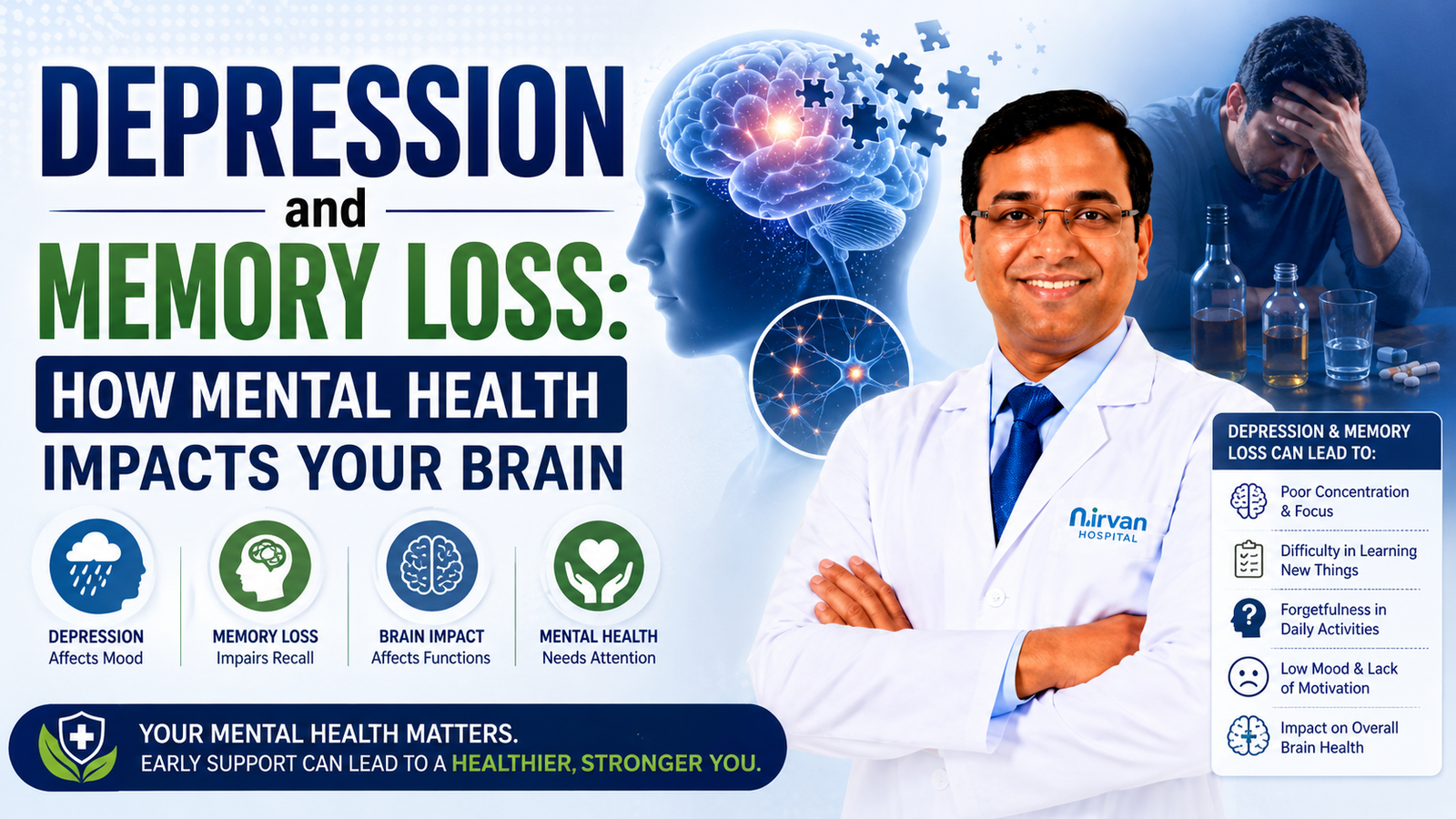
Depression and Memory Loss: How Mental Health Impacts Your Brain
Going into a room and forgetting why. You have a hard time remembering names, you miss appointments, or you lose your concentration while you’re having a simple conversation. Lots of people believe these issues are just the process of getting older, but depression and cognitive decline are very much tied. Depression isn’t just gameplay going out emotions – it also alters the way the brain processes, stores, and retrieves data.
In case you realize that your memory is not as good as it normally would be and that, at the same time, you are experiencing sadness and exhaustion, it may well be that your mind is responsible for causing you most trouble. Recognizing the connection between depression and memory loss may assist you to recognize early signs.
What Is Depression?
Depression, which is also called major depressive disorder, is a prevalent mental health problem among individuals that can negatively impact an individual’s way of thinking, feeling, working, and living. It’s much stronger than normal sadness or a dip in mood – depression is a long-lasting condition characterized by feelings of hopelessness, numbness, or a lack of interest that persist for weeks or more, and disrupts work, relationships, and personal care.
But depression doesn’t look the same for everyone. For some, it’s weariness and the struggle to rise from bed. For others, it’s impatience, insomnia, appetite changes, or a vague feeling of numbness. The common denominator in all these experiences, then, is altered chemistry in the brain and its stress-response systems – which is why depression influences not only mood, but also attention, decision-making and, as a growing body of evidence indicates, memory.
What Is Memory Loss?
Amnesia or cognitive impairment is a loss of memory or inability to remember facts, information or experiences that the individual should normally be able to remember. We all forget things from time to time – losing our keys or having a name slip our mind is all part and parcel of being human. But if that forgetfulness becomes frequent, interfering with your life, or you start to notice it affecting how you function every day, it could be a sign of something that your brain needs more help with. Memory loss can be a temporary or permanent condition, and can affect one’s memory mildly, occasionally or severely. So it is usually divided into short-term memory loss (difficulty with retaining recent information, such as a conversation a few hours ago) and long-term memory loss (difficulty with recalling previous events or experiences).
How Mental Health Impacts Your Brain
Mental health and brain function are tightly interwoven – much more so than most people realize. The brain is not only the organ that produces thoughts and feelings, but it is also the organ that forms memory, attention, makes decisions, and solves problems. When disorders of mental health such as depression, anxiety, or prolonged stress set in, they don’t just run mood – they physically and chemically change the way the brain works. .
1. Chemical Imbalances
Mental illnesses are characterized by the alterations in neurotransmitters such as serotonin, dopamine, and norepinephrine. The neurotransmitters not only affect the moods but also play a crucial role in attention, motivation, and information storage and retrieval in the brain.
2. Structural Changes Over Time
Stress and anxiety and depression may have an effect on the brain structure, such as the hippocampus (which is responsible for memory formation) and prefrontal cortex (responsible for decision making and focus). Stress hormones like cortisol can lead to shrinking of the above mentioned parts of the brain.
3. Disrupted Communication Between Brain Regions
Normal mental health is dependent on robust communication among different regions of the brain. Disorders like depression interfere with that communication, producing symptoms such as brain fog, slow thinking and trouble focusing.
4. Impact on Sleep and Recovery
Minds are disrupted by illness, and it is minds that have been distracted in sleep through which we remember and metabolize and purge. The cognitive symptoms are made worse by poor sleep – which, again, makes for a hard-to-break feedback cycle absent intervention.
5. Inflammation and Brain Health
A growing body of research now suggests that chronic stress and mental illness may be associated with low-grade inflammation within the brain that can disrupt neuron communication and contribute to cognitive symptoms such as forgetfulness and mental fog.
Common Cognitive Symptoms of Depression
The memory loss linked with depression typically appears as a group of cognitive symptoms instead of isolated forgetfulness. These might be:
- Inability to concentrate or maintain attention
- Often forgetting recent conversations or things to do
- Difficulties remembering names, dates or meetings
- Mental cloudiness, or a sense of “slowed down” thinking
- Trouble deciding
- Difficulty following multi-step directions
- You’re also misplacing your stuff more than usual
This is sometimes called “depressive pseudodementia” in the elderly, in which cognitive symptoms of depression mimic the early signs of dementia – but the symptoms tend to improve markedly when the depression is treated.
Can Memory Loss From Depression Be Reversed?
This is one of the most comforting things about the cognitive effects of depression: in many cases, memory and concentration will come roaring back once the depression is effectively treated.
In contrast with neurodegenerative diseases, the memory problems associated with depression are often functional as opposed to structural, and the brain’s capacity to create and recall memories can increase as mood, sleep, and stress levels improve.
Evidence-based treatment approaches include:
- Psychotherapy:- Talking therapies including Cognitive Behavioural Therapy (CBT) can help to modify unhelpful patterns of thinking and alleviate the stress that may be contributing to memory problems.
- Drug Therapy:- There may be some benefit of antidepressant agents in cognitive symptoms with the rationale that they might help rebalance the neurotransmitters but the agents need to be prescribed and to be supervised by a capable psychiatrist.
- Lifestyle Interventions:- Exercise, a balanced diet, and sufficient sleep are known to positively influence mood and brain health.
- Stress Control:- Mindfulness meditation and relaxation have also been shown to be viable candidate mechanisms through which to influence cortisol and hippocampal function.
- Cognitive Rehabilitation:- Occasionally, you can regrow lost memory and focus by doing certain guided cognitive exercises or with the help of an occupational therapist.
Practical Tips to Support Memory While Managing Depression
- Sleep Matters – Strive for a consistent, quality sleep duration of 7 to 9 hours.
- Be physically active – Exercise increases blood flow to the brain and promotes neuroplasticity.
- Divide activities into small steps – This helps reduce mental strain.
- Employ reminders and notes – External systems such as notes can take some of the load off your daily memory.
- Don’t multitask – Focus on one thing at a time to help it stick.
- Keep busy socially - Socializing is good for your mood and your mind.
- Get professional help early – Early intervention is more likely to result in better cognitive outcomes.
When to See a Doctor
A mental health expert can assess whether memory changes are part of depression, another mental illness, or a separate neurological issue – and map out an individualized treatment approach based on that.
Deeptanshu Agarwal, MD, an award-winning Psychiatrist who is adept at identifying and treating depression and associated cognitive symptoms such as difficulties with memory and concentration. After a careful assessment, Dr. Agarwal assists patients in distinguishing whether their symptoms are due to depression, anxiety or another primary condition – and partners with them to construct a customized treatment plan focused on enhancing both emotional wellness and cognitive function.
If you or a loved one are facing persistent memory issues in the company of depressive symptoms, don’t wait for things to get worse. Schedule a consultation with Dr. Deeptanshu Agarwal today to receive an accurate diagnosis and take the first step towards enhanced mental and cognitive well-being.
Final Thoughts
Depression is too an emotional experience – it affects your brain and can impair your memory, concentration, and mental clarity. Understanding that there is a connection between depression and memory loss can allow you to recognize symptoms earlier and receive the right type of assistance. The good thing is that both mood and mental symptoms can improve, when they are recognized and treated in good time. If you are having persistent memory problems along with symptoms of depression, or you know someone who is, please seek help from a mental health professional who can provide an evaluation and individual care.
Frequently Asked Questions
Is memory loss a real symptom of depression?
Depression and other cause of stress on the body and brain can impair attention, working (short-term) memory, and effect consolidation of new information, among other things. These effects are largely related to the presence of stress hormones, excess or imbalanced neurotransmitters, and poor sleep.
Is memory loss associated with depression permanent?
But in general, no. Cognitive symptoms may also improve dramatically (if not resolve completely) with effective depression treatment, whether that be therapy, medication, and/or lifestyle modifications.
Can depression lead to dementia-like memory loss?
Yes, particularly in the elderly. This is sometimes called “pseudodementia.” These symptoms tend to get better once depression is treated, unlike dementia.
Does anxiety cause memory problems?
Yes. Although depression is associated with anxiety, a comorbid condition, anxiety can also affect concentration and memory itself (again, due to the chronic stress and inability to focus).