

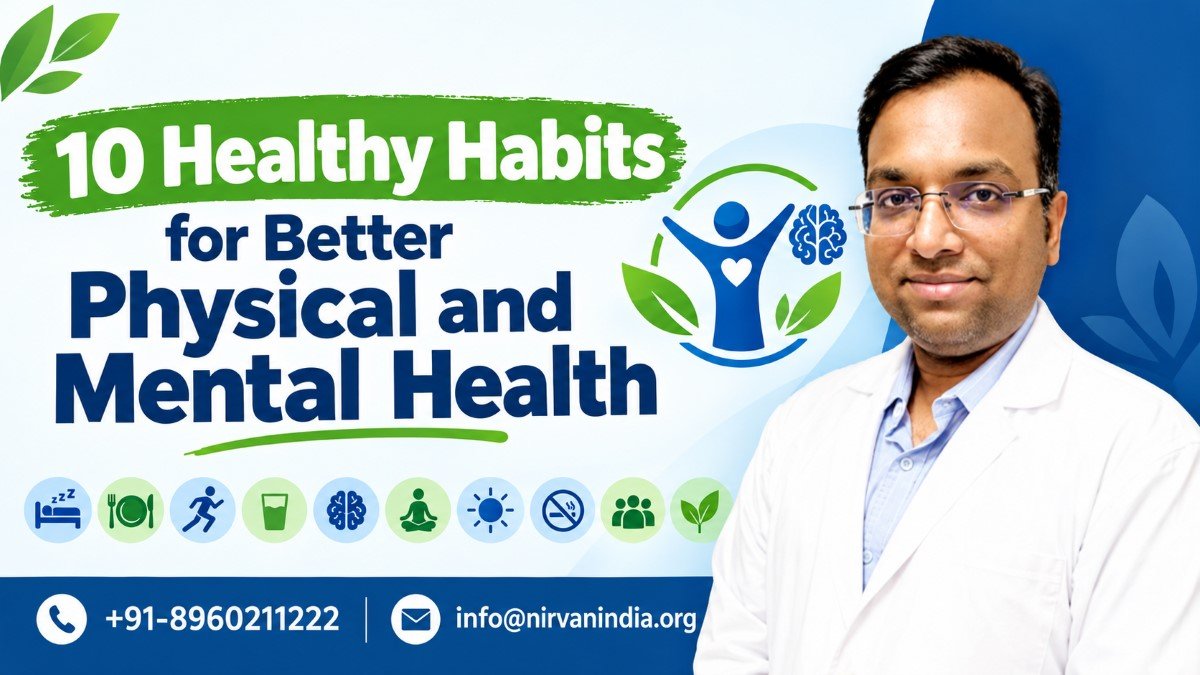
10 Healthy Habits for Better Physical and Mental Health
Healthy habits are simple, consistent behaviors that can support better physical health, mental well-being and overall quality of life. Regular physical activity, balanced nutrition, quality sleep, stress management, social connection and preventive healthcare are all important parts of a healthy lifestyle.
You do not need to change everything at once. Starting with one or two realistic habits and building them gradually can make a healthy lifestyle easier to maintain.
Quick Answer
The 10 healthy habits for better physical and mental health are regular physical activity, balanced nutrition, adequate sleep, healthy stress management, social connection, adequate hydration, avoiding tobacco and harmful substances, healthy screen habits, relaxation and enjoyable activities and preventive healthcare.
You do not need to adopt all 10 habits at once. Start with one or two realistic changes and gradually build a routine that fits your lifestyle and individual health needs.
- Stay physically active
- Eat a balanced and nutritious diet
- Get enough quality sleep
- Manage stress in healthy ways
- Stay connected with family, friends and your community
- Stay adequately hydrated
- Avoid tobacco and harmful substance use
- Take healthy breaks from screens and digital devices
- Make time for relaxation and enjoyable activities
- Keep up with preventive healthcare
What Are Healthy Habits for Physical and Mental Health?
Healthy habits are regular behaviors that support your physical, mental and emotional well-being. They can include eating a balanced diet, engaging in regular physical activity, getting adequate sleep, managing stress, staying socially connected and taking appropriate preventive healthcare measures.
A healthy lifestyle does not mean being perfect. The goal is to develop realistic habits that you can maintain consistently over time.
10 Healthy Habits for Better Physical and Mental Health
1. Stay Physically Active Every Day
Regular physical activity is an important part of maintaining physical health. Movement can support cardiovascular fitness, muscle strength, mobility and overall physical well-being. Activities such as walking, cycling, swimming, stretching or other forms of exercise can be included in your daily routine.
Physical activity can also support mental well-being and healthy stress management. You do not necessarily need to begin with intense exercise; choosing an activity that is appropriate for your fitness level can make it easier to stay consistent.
Why it matters: Regular movement can support physical fitness, energy levels and overall well-being while also providing an opportunity to manage everyday stress.
Simple habit: Start with a short daily walk or another activity you enjoy, then gradually build your routine according to your fitness level and individual needs.
2. Eat a Balanced and Nutritious Diet
Nutrition plays an important role in physical and mental well-being. A balanced diet can provide the nutrients and energy your body needs to function properly. Try to include a variety of nutritious foods, such as vegetables, fruits, whole grains, appropriate sources of protein and other nutrient-rich foods.
A healthy eating pattern does not require extreme diets or avoiding entire food groups unless medically necessary. Focusing on variety, balance and sustainable choices can make healthy eating easier to maintain.
Why it matters: A balanced diet provides essential nutrients and supports normal body functions, energy and overall health.
Simple habit: Build meals around a variety of nutritious foods and make balanced food choices that fit your lifestyle and individual health needs.
3. Get Enough Quality Sleep
Sleep is an essential part of physical and mental well-being. Consistently getting enough quality sleep can support energy, concentration, mood and everyday functioning.
An irregular sleep schedule or poor sleep habits may make it more difficult to manage daily responsibilities and stress. A consistent bedtime routine and a comfortable sleep environment can help support healthy sleep habits.
Why it matters: Adequate, quality sleep supports normal physical and mental functioning and can contribute to better energy, concentration and mood.
Simple habit: Try to maintain a consistent sleep and wake schedule and create a calm, comfortable environment that supports restful sleep.
4. Learn Healthy Ways to Manage Stress
Stress is a normal part of life, but ongoing or overwhelming stress can affect both physical and mental well-being. Learning healthy ways to manage stress can help you respond to everyday challenges more effectively.
Helpful strategies may include physical activity, relaxation exercises, hobbies, spending time with people you trust and taking appropriate breaks during the day. Different approaches work for different people, so it is useful to find strategies that fit naturally into your routine.
Why it matters: Healthy stress-management strategies can support emotional well-being and help you maintain a more balanced daily routine.
Simple habit: Set aside a few minutes each day for relaxation, physical activity or another healthy activity that helps you unwind.
5. Stay Connected With Family, Friends and Your Community
Meaningful social connections can play an important role in emotional well-being. Talking with trusted people, spending time with family or friends and participating in community activities can provide opportunities for support and connection.
You do not need a large social circle to benefit from meaningful relationships. Regular contact with a few supportive people can help you feel connected and valued.
Why it matters: Positive social connections can provide emotional support, reduce feelings of isolation and contribute to overall well-being.
Simple habit: Make regular time to talk with or spend time with people who make you feel supported and valued.
6. Stay Adequately Hydrated
Adequate hydration is an important part of maintaining normal body functions. Your fluid needs can vary depending on factors such as physical activity, climate, diet and individual health circumstances.
There is no single amount of fluid that is appropriate for everyone. People with certain medical conditions may also have specific fluid recommendations from their healthcare professionals.
Why it matters: Staying adequately hydrated supports normal body functions and helps your body maintain its fluid balance.
Simple habit: Keep water accessible throughout the day and drink regularly, while following any specific hydration advice provided by your healthcare professional.
7. Avoid Tobacco, Excessive Alcohol and Other Harmful Substances
Avoiding tobacco and other harmful substances is an important part of protecting physical and mental health. Tobacco use can have serious health consequences, while excessive alcohol use and recreational drug use can also affect physical and mental well-being.
If you use tobacco, alcohol or other substances and want to reduce or stop, you do not have to manage the process alone. Depending on the substance and your individual circumstances, professional support may make the process safer and more manageable.
Why it matters: Avoiding harmful substance use can reduce health risks and support better long-term physical and mental well-being.
Simple habit: If you want to change your substance use, speak with a qualified healthcare professional about appropriate support and treatment options.
8. Manage Screen Time and Take Regular Breaks
Technology is an important part of modern life, but spending long periods on digital devices without breaks can interfere with healthy routines. Excessive or poorly timed screen use may affect sleep, physical activity, social interaction or time available for other important activities.
Creating reasonable boundaries around unnecessary screen use can help you maintain a healthier balance between digital activities and other parts of daily life.
Why it matters: Healthy screen habits can help protect time for sleep, movement, relationships, relaxation and other activities that support overall well-being.
Simple habit: Take regular breaks from screens and reduce unnecessary device use, particularly when preparing for sleep.
9. Make Time for Relaxation and Activities You Enjoy
A healthy lifestyle should include time for activities that you genuinely enjoy. Hobbies, reading, music, creative activities, spending time outdoors or simply taking a quiet break can provide opportunities for relaxation.
Self-care does not mean avoiding responsibilities. It means making reasonable space for activities that help you relax and maintain your overall well-being.
Why it matters: Regular time for enjoyable and relaxing activities can support emotional well-being and help create a more balanced lifestyle.
Simple habit: Schedule some time each week for an activity you enjoy instead of waiting until you happen to have free time.
10. Keep Up With Preventive Health Care
Healthy living also includes taking appropriate steps to protect your health before problems become more serious. Depending on your age, health history and individual circumstances, preventive healthcare may include routine medical checkups, recommended screenings, vaccinations and discussions with a healthcare professional about ongoing health concerns.
Preventive care recommendations can vary from person to person, so it is important to follow guidance that is appropriate for your age, health history and individual risk factors.
Why it matters: Preventive healthcare can help identify certain health concerns early and supports informed decisions about maintaining your health.
Simple habit: Keep track of recommended health appointments, screenings and vaccinations and speak with a healthcare professional about any persistent or concerning symptoms.
How to Build Healthy Habits Into Your Daily Routine
Trying to change everything at once can feel overwhelming. A more practical approach is to start with one or two manageable changes and gradually build from there.
Make Healthy Habits Easy
Make healthy choices easier by preparing for them in advance. Keep healthy foods available, schedule physical activity into your day, set a consistent bedtime and keep water accessible. Small environmental changes can make healthy behaviors easier to repeat.
Start With One Small Change
Choose one habit that feels realistic. For example, you might begin by adding a short walk to your day or establishing a consistent bedtime.
Set Realistic Goals
Healthy habits are easier to maintain when your goals fit your lifestyle. Focus on consistency rather than perfection.
Track Your Progress
A simple journal, calendar or habit-tracking method can help you recognize patterns and stay motivated. If you miss a day, simply return to your routine rather than giving up.
Simple Daily Routine for Better Physical and Mental Health
| Time | Healthy habits |
| Morning | Wake at a consistent time, drink water, eat a nutritious breakfast if appropriate, include movement |
| During the day | Stay active, choose balanced meals, take screen breaks, connect with others, manage stress |
| Evening | Relax, reduce unnecessary screen use, follow a bedtime routine and prepare for adequate sleep |
The best routine is one that is realistic for your lifestyle and can be maintained over time.
When Should You Seek Professional Help for Physical or Mental Health Concerns?
Though they are not a substitute for expert medical attention when it is required, healthy lifestyle choices help to maintain general well-being.
If you have chronic mood changes, continuous emotional anguish, major sleep issues, trouble with daily activities or other physical or mental health problems, talk with a competent doctor.
Seek suitable medical care right away if symptoms are extreme, unexpected or alarming for your health.
Key Takeaways
- Stay active: Regular physical activity supports physical fitness and overall well-being.
- Eat well: Choose a variety of nutritious foods as part of a balanced eating pattern.
- Prioritize sleep: A consistent sleep routine supports energy, mood and everyday functioning.
- Manage stress: Use healthy strategies such as movement, relaxation, hobbies and social connection.
- Stay connected: Supportive relationships can contribute to emotional well-being.
- Stay hydrated: Drink regularly while considering your individual hydration needs.
- Avoid harmful substances: Avoid tobacco and seek professional support when needed.
- Take screen breaks: Set healthy boundaries around unnecessary screen use, especially before bedtime.
- Make time for yourself: Relaxation and enjoyable activities can support overall well-being.
- Practice preventive care: Keep up with appropriate checkups, screenings and vaccinations based on your individual needs.
Final Thoughts
Your physical and mental health need not be perfect. Building good habits that fit your own needs, are sustainable and realistic is what counts.
A better lifestyle can be achieved by regular physical activity, healthy diet, enough sleep, stress control, significant relationships and preventative healthcare.
Start with one little adjustment and develop from there. If you have continuous physical or mental health problems, seek individualized advice from a trained medical expert.
Frequently Asked Questions
What are 10 healthy habits?
Ten healthy habits include staying physically active, eating a balanced diet, getting adequate sleep, managing stress, maintaining social connections, staying hydrated, avoiding harmful substances, taking healthy screen breaks, making time for relaxation and keeping up with preventive healthcare.
What are the best habits for physical and mental health?
Regular physical activity, balanced nutrition, quality sleep, healthy stress management and meaningful social connections are among the habits that can support both physical and mental well-being.
What daily habits improve mental health?
Daily movement, adequate sleep, meaningful social connection, relaxation, healthy nutrition and effective stress-management practices can support mental well-being. If mental health concerns persist or interfere with daily life, professional support may be appropriate.
How can I improve my physical health naturally?
You can support physical health by staying physically active, eating a balanced diet, getting adequate sleep, staying appropriately hydrated, avoiding tobacco and other harmful substances and following recommended preventive healthcare.
How can I improve my mental health?
Healthy routines involving physical activity, adequate sleep, social connection, relaxation and stress management can support mental well-being. Professional help should be considered when emotional or psychological difficulties persist or significantly affect daily life.
How does exercise affect mental health?
Physical activity can support mental well-being and may help with stress management. Choosing an activity that is appropriate for your health and fitness level can make regular exercise easier to maintain.
How does sleep affect mental health?
Sleep and mental well-being are closely related. Poor or inadequate sleep can affect mood, concentration and daily functioning, while a consistent sleep routine can support overall well-being.
Can healthy habits reduce stress?
Healthy habits such as regular physical activity, adequate sleep, relaxation, social connection and taking appropriate breaks can support healthy stress management. However, persistent or overwhelming stress may require professional support.
How can I develop a healthy daily routine?
Start with a few realistic habits, such as maintaining a consistent sleep schedule, incorporating regular movement, eating balanced meals and setting aside time for relaxation. Build additional habits gradually rather than trying to change everything at once.
What is the most important healthy habit?
There is no single habit that is most important for everyone. A combination of regular physical activity, balanced nutrition, adequate sleep, stress management, social connection and appropriate healthcare can support overall well-being.