

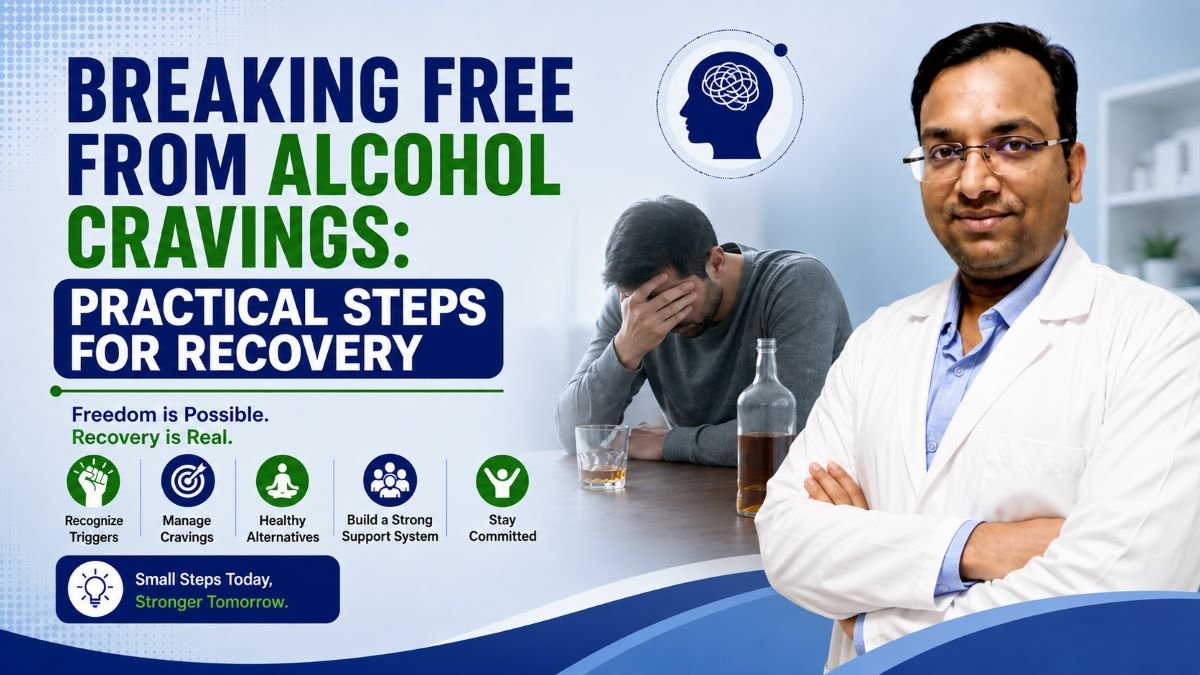
Breaking Free from Alcohol Cravings: Practical Steps for Recovery
Key Takeaways
- Alcohol cravings are strong physical, emotional or psychological urges to drink, even when a person wants to stay sober.
- Common triggers include stress, anxiety, loneliness, boredom, tiredness, withdrawal symptoms, social situations and places associated with previous drinking.
- Alcohol cravings are often temporary and may peak and pass within 15–30 minutes. Delaying the decision to drink, distracting yourself and changing your environment can help.
- Identifying personal triggers is an important part of recovery. Keeping a craving journal can help recognize patterns and prepare healthier responses.
- Grounding and controlled breathing techniques may help reduce anxiety and shift attention away from the urge to drink.
- A strong support system can make recovery easier. Family, trusted friends, therapists, addiction specialists and peer-support groups can provide support during difficult moments.
- Healthy routines such as adequate sleep, regular meals, exercise and avoiding high-risk drinking environments can support recovery and help manage cravings.
- Professional treatment may be needed for moderate or severe alcohol dependence. Treatment can include medically supervised withdrawal, counseling, behavioral therapies, appropriate medications and ongoing relapse-prevention support.
- Suddenly stopping alcohol can be dangerous for people who are physically dependent on alcohol. Medical advice should be sought before attempting withdrawal when dependence or significant withdrawal symptoms are possible.
- A slip or relapse does not mean recovery has failed. Identifying the trigger, seeking support and returning to a treatment or recovery plan can help a person move forward.
It is impossible not to notice the sudden and uncontrollable craving for alcohol that comes unannounced. All of a sudden, the mind gets flooded with a craving for alcohol. If this experience has happened to you personally, then remember that you are not alone – but most importantly, you are not helpless.
Despite being one of the hardest aspects of alcohol addiction recovery, cravings can become one of the easiest to manage once the reasons behind the craving are understood and the actions to take in response are known. This guide provides you with all the medically backed information to regain control.
What Are Alcohol Cravings?
Alcohol craving is a strong and unexpected need or desire to have a drink, despite the fact that one actually does not wish to consume any alcohol. This feeling cannot be compared to the usual one when one misses drinking – cravings are physiological and psychological manifestations caused by the effects of alcohol on the brain reward system.
Cravings may manifest themselves differently; however, identifying them is essential for dealing with them:
- Physical craving – being restless, sweating, having a fast heartbeat, and a dry mouth that demands a drink.
- Mental craving- thoughts about drinking that do not let go from one’s mind.
- Emotional craving – the need to cope with stress, depression, loneliness, or anxiety using alcohol.
The thing to remember is that craving is neither weakness nor a sign of one’s inability to resist temptation. It is the brain’s trained response that asks to be “rewarded” the same old way. The good news is that such a response can be trained as well. With regular practice, use of better coping strategies, and sometimes medication, cravings will become less and less frequent.
Understanding Why Alcohol Cravings Happen
- To properly handle cravings, there is a necessity to understand what is happening within oneself both mentally and physically.
- Due to constant intake of alcohol, the brain becomes accustomed to the effects of alcohol on one’s body and begins depending on alcohol to maintain moods and stress levels.
- The brain finds itself temporarily unable to perform that function without alcohol – which results in a craving.
Cravings tend to be caused by:
- Emotional stimuli – stress, anxiety, boredom, excitement, or even feeling sad.
- Environmental stimuli – places, people, parties, certain times of day associated with previous alcohol use.
- Physical stimuli – being tired, hungry, experiencing discomfort due to withdrawal.
- Habitual stimuli – daily habits involving alcohol in the past, for example, at night or on the weekends.
Practical Steps for Recovery from Alcohol Craving
Step 1: Determine Your Personal Triggers
Everyone’s cravings are triggered by different events. By keeping a journal for one to two weeks, making notes about the appearance of your cravings and the situation, activity, emotional state, and people around you at that moment, you will be able to understand your triggers.
When you learn your triggers, you will be able to plan your days based on those events.
Step 2: Practice Delay and Distract
Cravings are powerful, but they are also transient. If ignored, the cravings usually peak and then disappear in 15-30 minutes.
The technique that may help to avoid giving into temptation is as follows:
- Delaying the decision – telling yourself that you have only 15 minutes before making a decision.
- Distraction from the craving – going for a walk, calling someone you know, cleaning the room, doing some physical exercises, etc.
- Changing the environment – moving out of the room where the craving occurs may help to cope with it.
It is surprising, but such short intervals are usually sufficient for managing one’s cravings.
Step 3: Grounding and Breathing
There is usually the emergence of anxiety or agitation in cases of cravings.
There are simple techniques for practicing grounding that calm down one’s nervous system and diminish the severity of the impulse.
One example is the 5-4-3-2-1 exercise, where you name:
- 5 things you can see
- 4 things you can touch
- 3 things you can hear
- 2 things you can smell
- 1 thing you can taste
If you combine it with deep breathing techniques (inhaling for 4 seconds, holding for 4 seconds and exhaling for 6 seconds), it will bring your body out of the fight-or-flight response and diminish the desire to consume alcohol.
Step 4: Create a Network of Support
The recovery process is not an easy task that people do effectively on their own. Having access to the network of people who could provide help at hard times makes a difference.
Your support system may consist of:
- Family members and friends who are familiar with your situation.
- Support groups (Alcoholics Anonymous, local communities of recovery etc.).
- Therapist/counselor specialized in treating addiction.
- Physician/addiction specialist.
- Having somebody to call in the case of a craving will diminish its power on you.
Step 5: Addressing the Underlying Problem, and Not Merely the Symptom
Often, the cravings can be merely symptoms and not the problem itself since cravings could actually be caused by stress or emotional issues or mental illnesses such as anxiety or depression, both of which often accompany alcohol addiction.
A discussion with a physician or psychologist will help determine if there is anything else causing the person to crave for alcohol. Often, addressing the problem behind the cravings can lead to less frequent and intense cravings.
Step 6: Making Useful Changes in Your Life Style
Simple changes in your lifestyle will enhance your capacity for resisting urges:
- Ensure good sleep – lack of sleep elevates stress hormones and reduces self-control.
- Eat a healthy diet – low blood sugar causes irritability and cravings.
- Exercise regularly – physical activity increases the production of mood-enhancing chemicals in your brain.
Avoid being in high-risk environments – it’s perfectly acceptable to stay away from some places and situations in the initial phases of recovery.
These changes are not merely about healthy living but have a direct impact on your physiological reaction to stress and temptations.
Step 7: Get Help from Professionals and Physicians
For many people, especially for those with alcohol addiction that is of medium or even heavy level of severity, seeking professional assistance will be much safer and effective in overcoming their issues. In case the sudden detoxification process is too dangerous for one’s life, it is better to consult the physician.
Some of the treatment methods
- Medical detoxification – medically controlled withdrawal process to avoid some possible risks.
- Counseling and behavioral treatment – for example, such a method as Cognitive Behavioral Therapy (CBT).
- Certain medication therapy – special medicines that can decrease the craving process under the supervision of the physician.
- Follow-up care – the continuous process of consultation when preventing relapse becomes the integral part of it.
If you are having difficulties in coping with your alcohol cravings, it does not mean that you have failed, but it means that you need professional assistance.
What to Do If You Slip
Recovery is never smooth. In case you indulge in drinking even after some time away from alcohol, it does not mean that your efforts were futile. The important thing here is how you act afterwards.
Never take such a binary approach. Rather:
- Acknowledge the incident but don’t beat yourself up.
- Determine what caused the error.
- Seek help from your network or your doctor.
- Get back to your program and make changes where needed.
People that stay sober in the long run have many setbacks during their journey. The difference between those two situations is persistence.
Final Thoughts
Dealing with the desire to consume alcohol involves much more than sheer willpower. You should realize why you are drawn to drink, learn how to deal with these urges, and get all the necessary help in the process. This process might take some time, but every step towards progress brings you nearer to your goal – getting back control over your life.
Should there be any problem concerning alcohol cravings or dependence in both of your lives, seeking professional assistance would be a good choice.
Consulting a decent physician is one possible step towards creating an effective strategy for yourself.
Frequently Asked Questions
What is the average duration of the craving for alcohol?
Individual alcohol cravings can vary in intensity and duration. Some cravings may become less intense within minutes, while others may last longer. Over time, cravings may become less frequent as a person continues with recovery and develops effective coping strategies.
Can there be any craving for alcohol even after many years of abstinence?
Yes. Alcohol cravings can sometimes occur even after a long period of abstinence. Stress, emotional difficulties or situations associated with previous drinking may trigger an unexpected urge to drink.
Can I manage to quit drinking alcohol without seeking help from anyone?
Some people may stop drinking without formal treatment, but suddenly stopping alcohol can be dangerous for people who are physically dependent on alcohol. Alcohol withdrawal can sometimes become severe or life-threatening. If you drink heavily or regularly, speak with a healthcare professional before stopping alcohol abruptly.
When should I visit a physician concerning alcohol cravings?
Consider speaking with a doctor or addiction specialist if alcohol cravings are intense, persistent, difficult to control or interfere with daily life. Professional assessment can help determine whether treatment or medically supervised withdrawal is needed.